The latest increase in Compressed Natural Gas (CNG) prices across Mumbai, Thane, Navi Mumbai, and surrounding areas has added another layer of financial pressure on millions of consumers who rely on the fuel for daily transportation. Mahanagar Gas Limited (MGL), one of the country's leading city gas distribution companies, has raised CNG prices by ₹2 per kilogram, taking the retail rate to ₹86 per kg.
This development marks the second CNG price hike within a month. Earlier in May, MGL had increased rates by ₹2 per kg, resulting in a cumulative increase of ₹4 per kg in just a few weeks. While the rise may appear moderate at first glance, its broader implications are expected to be felt across the transportation ecosystem, from individual commuters and taxi drivers to logistics operators and small businesses.
A Fresh Blow for Daily Commuters
Mumbai and its surrounding metropolitan regions depend heavily on CNG-powered transportation. Thousands of auto-rickshaws, taxis, private vehicles, school vans, and commercial fleets use CNG because it has traditionally been more economical than petrol and diesel.
The latest revision directly impacts household transportation budgets. For individuals who travel long distances daily, even a small increase in fuel costs can significantly affect monthly expenses. Since commuting remains a non-negotiable necessity for most working professionals, students, and service-sector employees, the additional burden is likely to be felt immediately.
Although CNG continues to offer better per-kilometre running costs compared to conventional fuels, the gap between fuel options is gradually narrowing. Consumers who once viewed CNG as a stable and affordable alternative are increasingly facing uncertainty due to repeated revisions.
Taxi and Auto-Rickshaw Operators Under Pressure
Among the hardest-hit groups are taxi and auto-rickshaw operators. The Mumbai Metropolitan Region has one of the largest concentrations of CNG-powered public transport vehicles in India. Drivers who operate throughout the day depend on fuel affordability to maintain their earnings.
For many drivers, fuel expenses account for a substantial portion of daily operating costs. A cumulative ₹4 per kg increase within a month reduces profit margins, particularly for operators who already face rising maintenance expenses, vehicle financing costs, insurance premiums, and fluctuating passenger demand.
Industry observers believe that repeated fuel price hikes may eventually trigger demands for fare revisions. Transport unions have historically sought fare adjustments whenever fuel costs rise significantly, arguing that operators cannot absorb continuous increases indefinitely.
However, fare hikes create a different challenge. Higher transportation charges can discourage passengers and increase the cost of mobility for urban residents, creating a difficult balance between operator sustainability and commuter affordability.
Impact on Commercial Transportation and Logistics
The consequences of rising CNG prices extend beyond passenger transport. A growing number of commercial vehicles, delivery fleets, and logistics operators have adopted CNG in recent years to reduce fuel expenses and lower emissions.
The e-commerce boom has accelerated this transition. Many last-mile delivery vehicles operating in urban areas run on CNG because of its cost advantages and environmental benefits. As fuel prices increase, operating expenses for logistics companies also rise.
While large corporations may be able to absorb some of these costs temporarily, smaller fleet operators often operate on thin margins. Over time, increased transportation expenses may be passed on through higher delivery charges or service costs.
This ripple effect can contribute to broader inflationary pressures, as transportation remains a critical component of supply chains across industries.
Why Are CNG Prices Increasing?
Although MGL has not provided detailed reasons for the latest revision, industry trends suggest several factors that could be influencing pricing decisions.
Global energy markets have witnessed significant volatility in recent months. Geopolitical tensions, disruptions in energy supply chains, fluctuations in crude oil prices, and changing import costs have affected fuel pricing worldwide.
Natural gas procurement costs have also experienced pressure due to evolving international demand patterns. India imports a substantial portion of its energy requirements, making domestic fuel pricing vulnerable to global developments.
In addition, currency fluctuations can influence the cost of imported energy resources. A weaker rupee against major global currencies increases procurement expenses for energy companies, which may eventually translate into higher retail prices.
These combined factors often force city gas distributors to periodically revise prices to maintain operational viability.
Mumbai's Dependence on CNG
Mumbai's transportation ecosystem has long embraced CNG as a cleaner and more affordable fuel option. Over the years, government policies promoting cleaner fuels have encouraged widespread adoption among public and private vehicle owners.
The shift has delivered several benefits, including reduced vehicular emissions and improved urban air quality. Compared to conventional fuels, CNG produces lower levels of harmful pollutants, making it an important component of India's environmental strategy.
However, the recent series of price hikes highlights a key challenge associated with fuel dependency. Even cleaner alternatives remain vulnerable to market dynamics and supply-side pressures.
As fuel costs rise, consumers may begin reassessing transportation choices, vehicle ownership decisions, and operating models.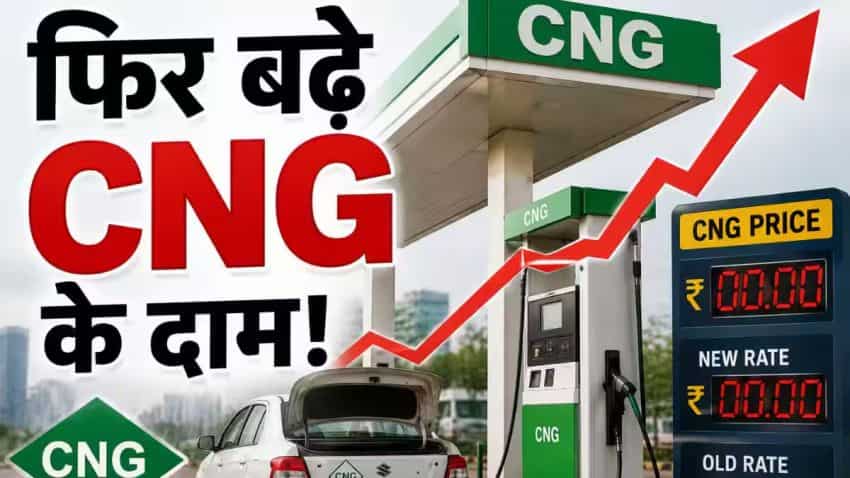
The Economic Ripple Effect
Fuel prices have a unique influence on the broader economy because transportation affects nearly every sector.
When fuel costs increase, businesses face higher operating expenses. Delivery services become more expensive, transportation networks face cost pressures, and commercial operators seek ways to offset shrinking margins.
Over time, these costs can influence the prices of goods and services. Retail businesses, food delivery platforms, logistics providers, and service operators often pass a portion of increased expenses to customers.
While a single ₹2 increase may not immediately trigger widespread inflation, repeated revisions over a short period can gradually contribute to rising costs across multiple sectors.
For consumers already managing higher expenses related to housing, education, healthcare, and daily necessities, additional transportation costs further strain household budgets.
Will Demand for Alternative Mobility Increase?
The continued rise in fuel prices may accelerate interest in alternative mobility solutions.
Electric vehicles, which have gained momentum in recent years, could become increasingly attractive for fleet operators and individual consumers seeking long-term cost stability. Government incentives, expanding charging infrastructure, and technological improvements are already encouraging gradual adoption.
Public transportation may also witness increased demand if private commuting becomes more expensive. Urban planners and policymakers could view the current situation as an opportunity to strengthen mass transit systems and reduce dependence on individual vehicle usage.
However, large-scale transitions require time, investment, and infrastructure development. In the immediate future, most consumers remain dependent on existing fuel-based transportation systems.
Looking Ahead
The latest CNG price hike serves as a reminder of how closely urban transportation costs are linked to broader economic and global energy developments.
For now, CNG remains a comparatively economical option when measured against petrol and diesel. Yet the rapid succession of price revisions has raised concerns among commuters, drivers, fleet operators, and businesses alike.
The coming weeks will be closely watched by consumers and industry stakeholders to determine whether prices stabilize or continue their upward trajectory. Any further increases could intensify calls for policy intervention, fare revisions, and additional support measures for transport operators.
As Mumbai, Thane, and Navi Mumbai continue to rely heavily on CNG-powered mobility, the challenge will be balancing affordability, environmental goals, and the realities of a rapidly changing energy landscape. The recent ₹4 increase within a month may appear modest on paper, but its cumulative impact is likely to be felt across the region's economy and daily life for months to come.
0 0 0 0 0 0 0 0 0 0 0 0 0 0 0 0 0 0 0 0 0 0 0 0 0 0 0 0 0 0 0 0